

Jacob Holznecht Blog
 RSS Feed
Subscribe and receive email notifications of new blog posts.
RSS Feed
Beavercreek | 1 Posts
Buying and Selling | 39 Posts
Dayton | 17 Posts
Greene County | 4 Posts
Joining Irongate | 2 Posts
Miami Valley | 33 Posts
Uncategorized | 1 Posts
Washington Township | 2 Posts
November
4
4
How to Insulate Your Home for an Energy-Efficient Winter in Ohio
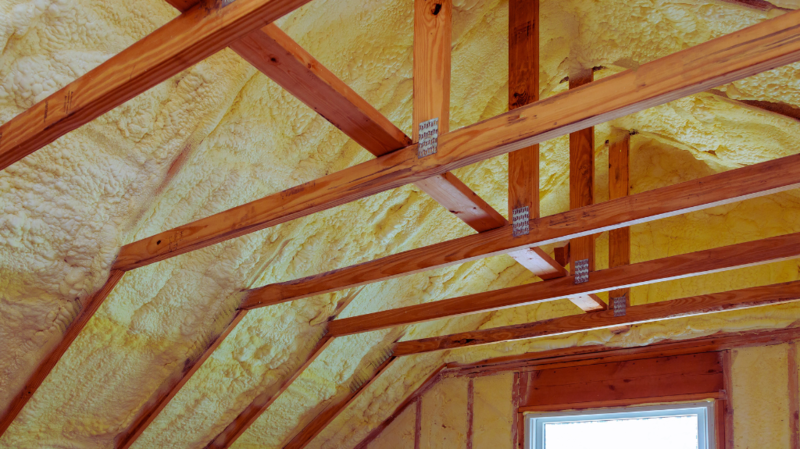
Making sure your house has the right insulation helps you pay less for heating, keeps the chilly air out, and makes your place much nicer during the cold season. Let's dive into some top-notch tips to help your home stay snug as the temperature drops.
- Check Out What Insulation You Have Now
Before adding new insulation, it's important to assess the existing insulation in your home. Check your attic, walls, floors, and crawl spaces for gaps or areas where insulation might be thin or damaged. Over time, insulation can degrade, allowing heat to escape and cold air to infiltrate your home. If you're unsure of what to look for, our real estate agents can recommend trusted local professionals to conduct a thorough inspection.
- Beef Up Attic Insulation
Your attic needs good insulation in any season. Add more insulation, and your place will hold onto heat better. Consider using materials like fiberglass batts, blown-in cellulose, or spray foam insulation for the attic. Each option has its advantages, but spray foam is known for its superior sealing capabilities, while blown-in cellulose is a great eco-friendly choice.
- Stop the Breezes and Plug the Gaps
Sealing up air leaks near your windows, doors, and various other holes is a super easy and effective method to keep your place toasty in the winter. Add some weatherstripping on those door and window gaps, and use caulk for those sneaky cracks around the frames and molding. Don't forget to pay extra attention to spots where the pipes, wires, and ducts go in or out of your house. These parts let a lot of air slip through.
- Insulate Your Walls
While many homeowners focus on attic insulation, wall insulation is equally important. If your home was built before 1980, there's a good chance that the walls may lack proper insulation. Insulating your walls can greatly improve the overall energy efficiency of your home. Blown-in insulation or spray foam can be installed through small holes drilled in the walls, offering a quick and effective solution to improve warmth and comfort.
- Don't Forget Basement and Crawl Space Insulation
Insulating your basement and crawl spaces increases your house's ability to keep warm. Think about going with stiff foam panels or spritzing your basement walls and ground with foam to keep the cold out. When you're dealing with crawl spaces, it's important to pack insulation into both the ground up top and the sidewalls. Doing this is like building a cozy barrier that traps the heat inside your home.
- Consider Your Window Treatments
Windows often let heat escape in the cold months. Yet, you can tackle this problem in a few ways. Thick, cozy curtains or honeycomb blinds give extra defense against the chill. These are easy and cost-effective to add to your windows!
- Get a Pro to Check Your House's Energy Skills
We briefly mentioned it earlier, but to see how your house measures up with energy saving, consider having an inspection done by a professional. They'll point out the spots where your house is letting warmth sneak away and be able to offer needed improvements.
By following these insulation tips, you can create a warm and comfortable home environment while reducing energy costs. Whether you're staying put for the winter or thinking about making a move, our real estate agents are here to help. From finding homes with excellent energy efficiency to offering advice on insulation upgrades, we're here to ensure your home is cozy all season long. Contact us today to learn more!



Privacy Policy / DMCA Notice / ADA Accessibility


This site is hosted, designed and copyright
© 1994 - 2026 by
Delta Media Group, Inc. -- Patent Pending --